Discover memory care Charlotte NC for safe and compassionate senior care
Personalized Brain Health Services for Seniors
Personalized dementia care offerings for older populations are becoming more necessary in handling unique mental processing issues. These programs focus on individualized service arrangements that honor individual pasts and wishes. By nurturing engagement through focused activities, they aim to improve overall quality of life. Understanding the fine points of these services can aid families in deciding wisely. What aspects should caregivers weigh when determining the best appropriate cognitive care program?
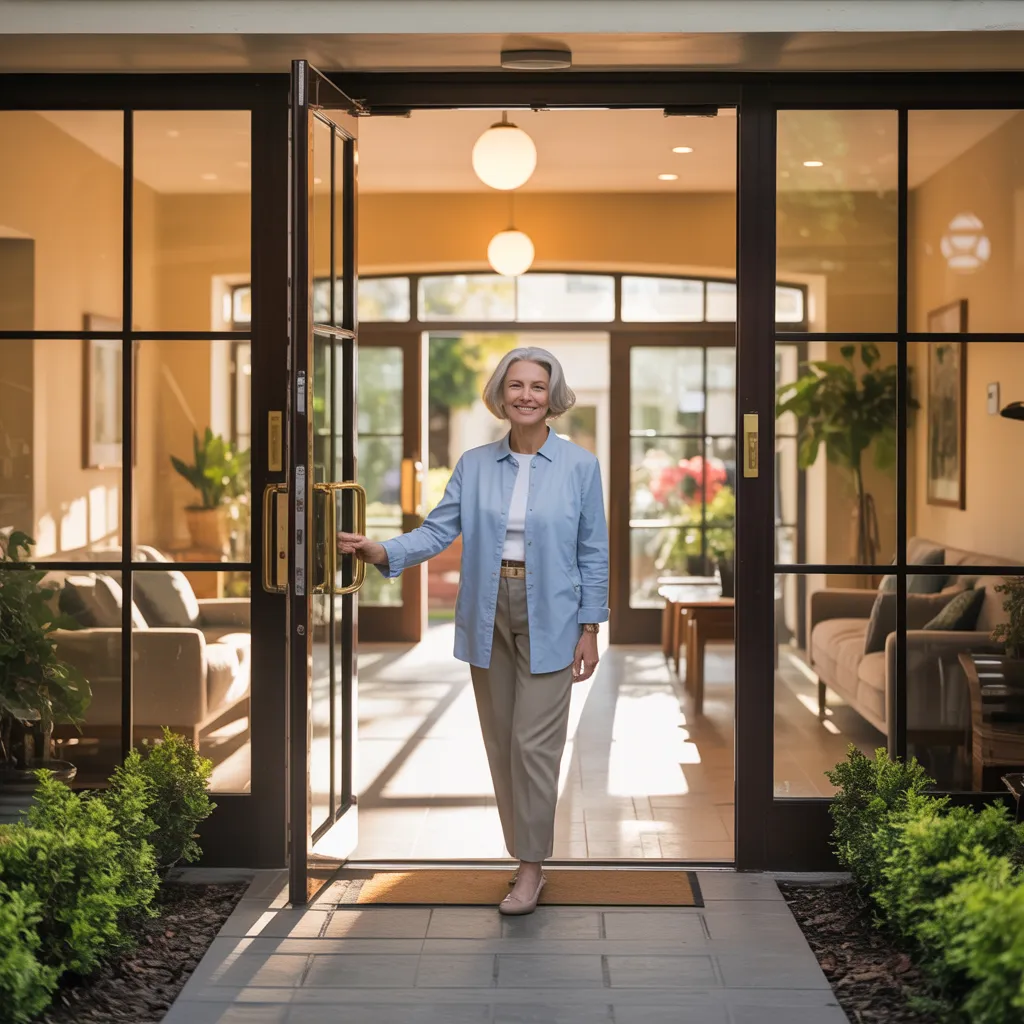
What You Need to Recognize Concerning Specialized Memory Care Services
When deliberating on memory care options, it is essential to comprehend how tailored methods can significantly improve the quality of life for older adults managing cognitive challenges. Tailored memory care options are designed to meet the unique requirements of each individual, acknowledging that cognitive decline affects individuals differently. These options often incorporate personalized programs and routines that align with a senior's preferences, capabilities, and preferences, thereby fostering involvement and a feeling of meaning.
Additionally, personnel trained in care techniques advanced dementia can offer assistance that respects the respect and autonomy of each resident. This care individualized helps in minimizing worry and confusion, which are common in those with decline memory. Furthermore, involvement loved ones is promoted, ensuring a approach holistic to care. Ultimately, support programs tailored dementia aim to establish an setting where seniors can flourish, fostering both well-being emotional and stimulation mental.
Benefits of Customized Care Plans for Memory Challenges
Person-centered care plans contribute significantly to solving the particular cognitive struggles encountered by seniors. refer to this page These personalized methods seek to meet distinctive needs, guaranteeing that care agrees with the relevant mental and emotional needs of each senior. By concentrating on personal histories, preferences, and abilities, such plans encourage a sense of familiarity and comfort, which can lessen worry frequently caused by memory loss.
Moreover, tailored care plans strengthen participation by incorporating activities that resonate the seniors' interests, promoting cognitive development and social connection. This individualized method can lead to improved mental performance and a better standard of living. Additionally, caregivers equipped with detailed insights of the senior's choices can offer more compassionate and helpful support, minimizing frustration levels for all parties. Ultimately, personalized care approaches enable seniors, allowing them to navigate their cognitive challenges with honor and self-assurance.
Effective Approaches for Personalized Memory Care Plans
Implementing optimal strategies for tailored memory care programs requires a comprehensive grasp of each senior's individual requirements and preferences. Care providers should prioritize detailed evaluations that examine mental capabilities, bodily wellness, and psychological health. This essential understanding allows the creation of personalized care plans that successfully tackle specific challenges.
Regular staff training is indispensable, guaranteeing attendants are equipped with the newest strategies in memory care. Collaboration with families fosters a encouraging context, facilitating attendants to incorporate individual stories and tastes into everyday schedules. Utilizing technology, like safety systems and digital platforms, can maximize safety and engagement.
Additionally, adaptability in care plans is important; modifications should be implemented as seniors' conditions progress. Consistent assessment of care effectiveness through feedback and monitoring guarantees steady enhancement. By following these best practices, memory care programs can deliver a supportive and attentive environment that fosters dignity and quality of life for seniors.
Engagement That Enrich Quality of Life in Memory Care
Specialized memory care programs not only focus on individualized care plans but also emphasize the importance of stimulating programs that improve the quality of life for seniors. These programs are designed to activate cognitive function while promoting social interaction and mental health. Creative art sessions, musical activities, and horticultural activities can offer artistic opportunities, allowing residents to communicate their feelings and connect with their environment.
Structured reminiscence therapy encourages seniors to share past experiences, fostering a sense of meaning and self. Physical activities, such as gentle movement or dancing, help maintain movement and enhance mood. Additionally, sensory experiences—like cooking or pet therapy—can evoke pleasant feelings and heighten sensory perception.
Finding the Finest Memory Care Resource for Your Family Group
How can loved ones' relatives ensure they select the most appropriate memory care service for their family members? The choice begins with thorough investigation. Relatives should assess the specific needs of their family members, taking into account factors such as the type and stage of memory impairment. Touring potential facilities enables relatives to examine the environment, staff engagement, and accessible resources.
Caregiver credentials and accreditation are essential indicators of excellence. Families should inquire about caregiver-to-patient ratios and training given to caregivers. Additionally, it is important to assess the variety of activities and therapies offered, as these can significantly affect residents' well-being.
In conclusion, families should seek out reviews and testimonials from fellow parents to gather direct insights. By weighing personal needs with expert guidance, parents can make informed choices that guarantee their loved ones get the personalized and caring support they deserve.
Frequently Requested Questions
What's the Best Way to Determine My Loved One's Distinct Memory Care Needs?
To examine particular memory care requirements, one should observe behavioral patterns, communication abilities, daily activity performance, and emotional well-being. Engaging with healthcare professionals for evaluations and seeking feedback from caregivers can further clarify those requirements.
What Credentials Should Caregivers Have in Memory Care Environments?
Employees in memory care facilities should obtain suitable certifications, training focused on dementia, competent interpersonal abilities, kindness, and experience. Besides, they should manifest patience and adaptability to effectively deliver services meeting the varied needs of residents.
Do Insurance Policies Cover Customized Memory Care Services?
Insurance coverage for tailored memory care services changes widely among providers. Many plans may help fund costs, but it's essential for customers to validate specifics with their insurance company to learn about their entitlements and bounds.
What Frequency Are Care Plans Reviewed and Modified?
Care plans are consistently reviewed and adjusted, often biannually or quarterly. This guarantees that the changing needs of people are properly addressed, allowing for changes to care strategies and interventions as necessary.
What Factors Need to I Consider Throughout a Building Walkthrough?
When conducting a facility tour, one should observe hygiene, staff interactions, resident engagement, security protocols, available amenities, and overall atmosphere. Additionally, evaluating the facility's approach to personalized care and community engagement is essential for informed decision-making.